Hi I’m Maeve,
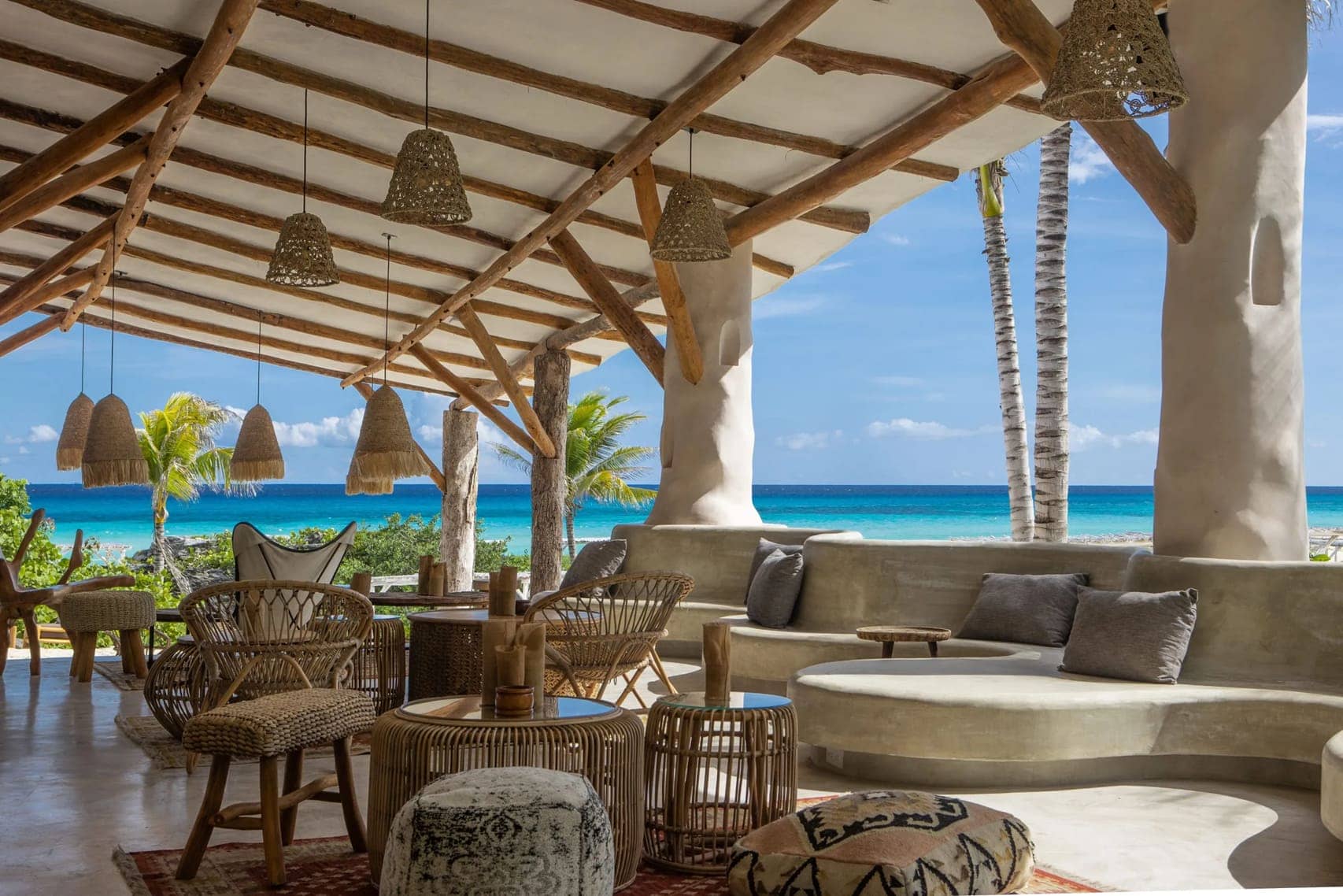
Imagine kicking back on a stunning beach, coconut water in hand, feeling the Caribbean sun melt away all that built-up stress from winter. And the best part? You’re not just relaxing—you’re actually helping protect this slice of heaven. This isn’t some far-off fantasy; it’s what you get when you stay at eco-friendly resorts in the Caribbean. I’ve roamed through tons of tropical spots, and let me tell you, the Caribbean is still my go-to for escaping the cold. Those endless white-sand beaches, water that’s an unreal shade of turquoise, and that perfect mix of gentle winds and island vibes—it’s pure magic. But as travelers who care about the planet, we often wrestle with this: How do we enjoy all this luxury without harming the environment? The solution is right there in the region’s rising wave of sustainable resorts—where green practices meet high-end comfort, turning your getaway into a real win for the Earth.
Why Choose Eco-Friendly Resorts in the Caribbean?
From my own trips, staying at both old-school and green-minded spots across the islands, I know picking eco-friendly accommodations doesn’t mean roughing it. Actually, it amps up the whole experience in surprising ways. Take carbon neutral initiatives—they turn your vacation into something that actively fights climate change. I’ve woken up to sunrises on balconies run purely by solar power, felt the whoosh from wind turbines blending with the ocean breeze, and even seen how my booking helps offset carbon through rainforest protection programs far away. These places aren’t just greenwashing; they’re flipping the script on environmental harm.
Water conservation gets creative here too. I’ve been amazed by systems that catch rainwater from those quick tropical showers and reuse it for everything from showers to gardens. Greywater recycling keeps the plants lush, and low-flow fixtures are so slick, you barely notice you’re saving water—a big deal on islands where it’s scarce.
Then there’s sustainable design, making rooms feel like they’re part of the landscape. Picture bamboo villas that let the breeze flow through, floors from salvaged driftwood with stories etched in, and setups that harmonize with nature. It’s not basic; it’s smart and stylish.
Community empowerment is another gem—your dollars go straight to locals. I’ve savored meals from resort gardens or nearby farms, picked up handmade souvenirs from artisan workshops using eco-materials, and seen how these ties keep traditions alive and jobs steady.
On the biodiversity preservation front, you’re basically a protector. I’ve snorkeled over reefs the resort helped restore, patrolled beaches funding turtle nests, and wandered mangroves kept alive by guest fees. Your trip safeguards what you’re there to enjoy.
And waste reduction? It’s elegantly done. Zero-plastic policies make bamboo straws feel fancy, composting turns scraps into garden gold for your drinks, and recycling is thorough—no waste goes to waste.
But here’s an angle few talk about: these resorts often uncover hidden cultural layers. For instance, by partnering with indigenous communities, they revive forgotten practices like traditional herbal medicine or ancient fishing techniques, blending them into wellness programs. It’s not just eco—it’s a deep dive into the Caribbean’s untold histories, making your stay feel like a cultural revival.
Featured Eco-Friendly Resorts in the Caribbean
Every island has its own spin on sustainable luxury, and I’ve loved discovering their unique vibes.
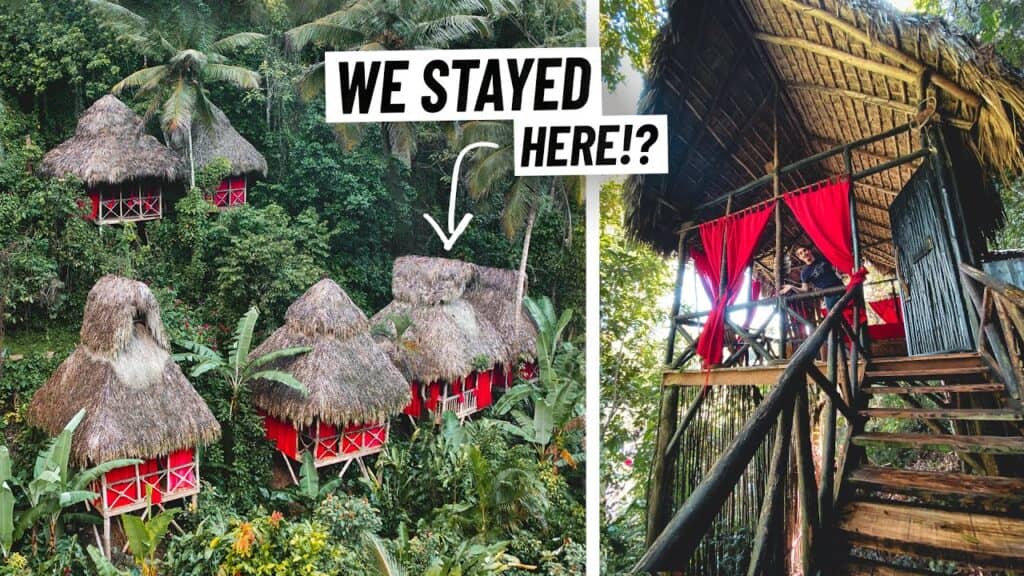
In the Dominican Republic, solar-powered lodges feel like your own nature hideaway. Meals from organic gardens mean zero waste—even peels become art on your plate—and evenings are filled with wildlife sounds, not speakers. Natura Cabana Boutique Hotel is a family-run eco-conscious haven built with natural materials and open-air designs, emphasizing tranquility and restoration. It features solar power, yoga classes, and a commitment to Feng Shui principles for balanced energy flow. Dominican Tree House Village offers open-air treehouse cabins connected by rope bridges in a lush jungle, promoting immersion in nature with activities like snorkeling and ziplining, all while maintaining a mosquito-free environment.
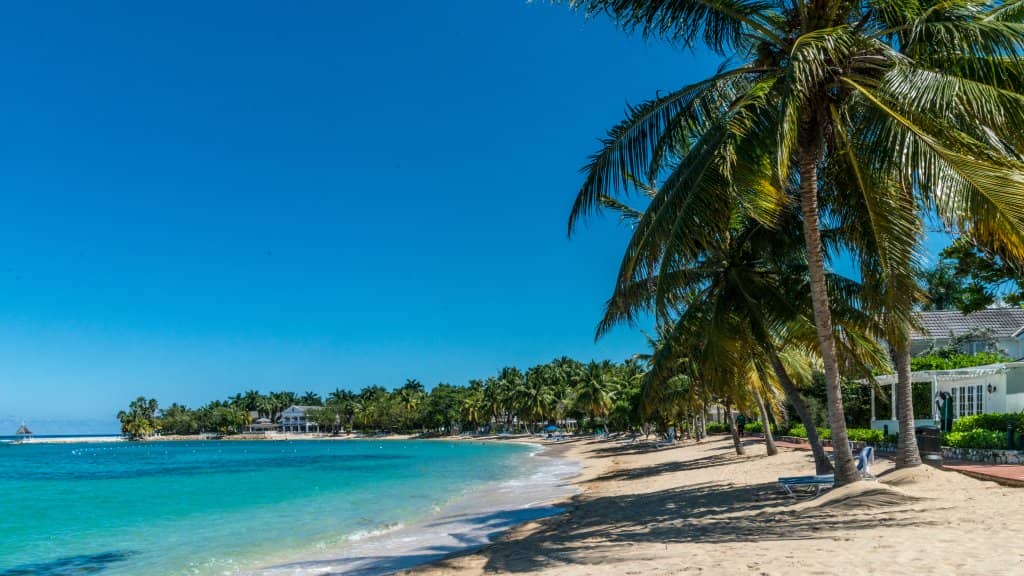
Jamaica nails bamboo elegance, with cottages that blend into the scenery. Plastic-free isn’t a chore; locals craft gorgeous alternatives, supporting families and keeping crafts alive. Rockhouse is a cliffside eco-resort using local stone, timber, and thatch, with outdoor showers and energy-efficient features. It’s Green Globe certified, supports local schools through its foundation, and sources from an organic garden. Kanopi House provides eco-chic treehouses from locally sourced renewable materials, hand-crafted by artisans, with a zero-impact focus on organic and green practices.

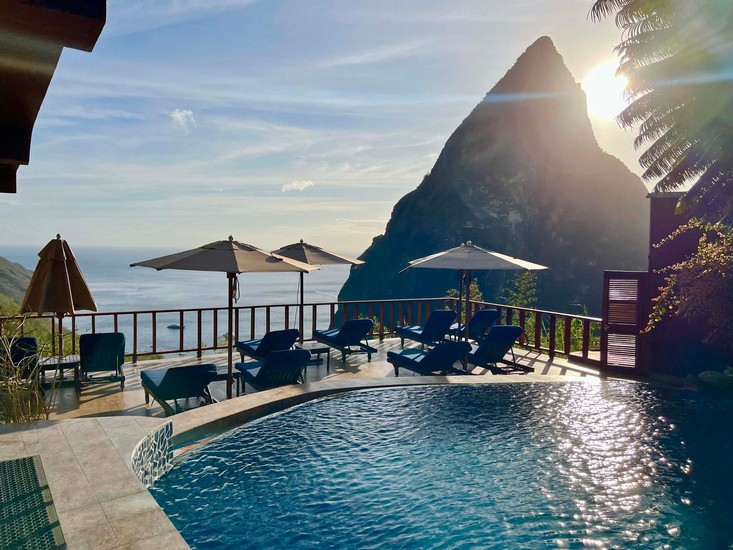
St. Lucia‘s cliffside villas use natural airflow over AC, lulling you to sleep with waves. Many back coral restoration, so your visit helps underwater worlds outlast your vacation. Fond Doux Eco Resort is a 19th-century cocoa plantation turned eco-friendly colonial retreat, with organic spas, farm-to-table dining, and Green Globe certification. Ladera Resort features open-wall designs for unobstructed views, using local materials and sustainable practices, with farm-to-table meals and wellness programs.
Barbados boasts Green Globe and LEED certified resorts, global leaders in green hospitality. Turtle tours aren’t just watching—they involve you in research, linking you to long-term conservation. ECO Lifestyle + Lodge is a Green Globe-certified eco-friendly spot with recycling, composting, bamboo straws, and organic products, emphasizing sustainability in all operations.
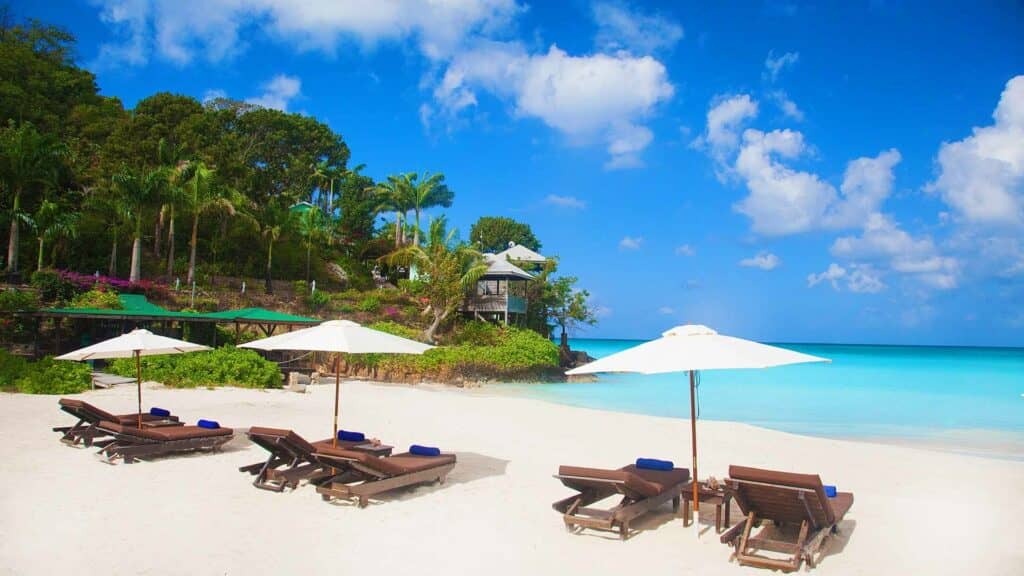
In Antigua & Barbuda, resorts double as marine labs, with eco-snorkeling showing preserved seas thanks to your support. Keyonna Beach Resort offers a rustic beachfront boutique experience for adults, with natural settings and eco-conscious decor. Cocobay Resort provides all-inclusive adults-only cottages on a hillside, surrounded by nature-filled auras and public beaches.
Grenada‘s boutique spots nestle in permaculture farms, fueling yoga retreats that sync you with island flows—intimate and eco-committed. True Blue Bay Resort is an eco-friendly haven with organic farming, solar-heated water, and sustainable practices overlooking the bay.

Turks & Caicos innovates with seawater cooling and sanctuary protection, turning snorkeling into a peek at nature’s own aquarium. Wymara Resort & Villas focuses on sustainable luxury, Green Globe certified, using local materials and eco-practices. COMO Parrot Cay is a private island wellness retreat with sustainable landscapes, organic spas, and a commitment to preserving the environment.

A lesser-seen perspective: These resorts often serve as quiet hubs for climate research. Guests might stumble upon scientists studying sea level rise or hurricane resilience, turning a lounge chat into an eye-opening lesson on how tourism funds real-time data that could save islands from future disasters.
Pricing Guide for Eco-Friendly Resorts
To help plan your trip, here’s a table of approximate starting prices for top eco-friendly resorts in each location (based on double occupancy per night, USD; prices vary by season and availability):
| Location | Resort Name | Starting Price (USD) |
|---|---|---|
| Dominican Republic | Natura Cabana Boutique Hotel | 200 |
| Dominican Republic | Dominican Tree House Village | 150 |
| Jamaica | Rockhouse | 300 |
| Jamaica | Kanopi House | 200 |
| St. Lucia | Fond Doux Eco Resort | 250 |
| St. Lucia | Ladera Resort | 500 |
| Barbados | ECO Lifestyle + Lodge | 250 |
| Antigua & Barbuda | Keyonna Beach Resort | 300 |
| Antigua & Barbuda | Cocobay Resort | 400 |
| Grenada | True Blue Bay Resort | 200 |
| Turks & Caicos | Wymara Resort & Villas | 500 |
| Turks & Caicos | COMO Parrot Cay | 800 |
These are entry-level rates—check current deals for the best value, and remember, many include eco-perks like guided tours or organic meals.
Sustainable Experiences at Eco-Resorts
Beyond typical fun, these spots forge real bonds with nature and people, reshaping how you see travel. Farm-to-table cuisine is hands-on—I’ve harvested herbs for cocktails, tried exotic fruits, and seen chefs craft magic with minimal impact.
Wellness in nature elevates spas: Oils from nearby plants, yoga on turtle-marked sands—it reconnects you to forgotten rhythms.
Eco-adventures like mangrove kayaking teach ecology, reef dives highlight protection efforts, and birdwatching showcases harmony in habitats.
Educational programs make downtime enriching—coral planting feels profound, sustainable living workshops stick with you, and expert talks blend urgency with hope.
Guest participation builds memories: Plant trees for future shade, release turtles, or clean beaches to see instant change.
Unique twist: Some resorts integrate “silent eco-therapy,” where guided silent walks through forests reveal subtle ecosystem sounds and scents, fostering mindfulness that few vacations offer, helping combat urban burnout in profound ways.
Tips for Travelers to Stay Green in the Caribbean
Even at these resorts, your habits boost the impact. Pack reusable bottles and reef-safe toiletries—biodegradable and kind to marine life.
Stick to reef-safe sunscreen with zinc or titanium; I’ve seen bleached coral up close, and chemicals are culprits. Minerals often hold up better in heat too.
Eat and shop local—family spots create cherished memories and sustain cultures.
Ditch single-use plastics: Bring bags, skip straws—island waste systems can’t handle it.
Respect wildlife: Keep distance, no flashes, follow rules to protect fragile biodiversity.
An overlooked view: Use apps to track your carbon footprint during the trip. It turns green choices into a game, revealing how small tweaks—like choosing boat tours over jetskis—cut emissions more than you think, empowering you as a micro-climate hero.
More Ways to Make a Positive Impact
- Opt for Direct Flights: Fewer stops mean less carbon—start sustainable from takeoff.
- Pack Light: Less weight saves fuel and eases your travel.
- Turn Off A/C and Lights: Simple habit, big energy save.
- Hang Your Towels: Reuse to cut water and energy use.
Hidden gem: Join “offset collectives” where groups of travelers pool funds for larger projects, like mangrove restoration, amplifying individual impact into community-scale change few realize is possible.
Conclusion
From my years island-hopping, eco-friendly resorts in the Caribbean deliver what fancy spots can’t: that warm glow of knowing you’re enhancing paradise, not harming it. They show sustainability and luxury team up for deeper trips. It’s no fad—it’s smart travel. Choosing these means backing planet health, community wins, and real vibes over fake glitz. They’re travel done right: life-changing, responsible, memorable. Proof we can enjoy and guard paradise. Ditch the cold for a green getaway—your soul (and skin) will thank you, and you’ve helped secure these gems for tomorrow. 🌴🌊
FAQs About Eco-Friendly Resorts in the Caribbean
Here are some frequently asked questions to help you plan your sustainable Caribbean getaway:
What defines an eco-friendly resort in the Caribbean?
Eco-friendly resorts prioritize sustainability through practices like carbon neutral initiatives, water conservation, sustainable design, community empowerment, biodiversity preservation, and waste reduction. They use solar power, rainwater harvesting, recycled materials, and partner with locals to minimize environmental impact while enhancing guest experiences.
Are eco-friendly resorts more expensive than traditional ones?
Not necessarily. While some luxury options start at $500+ per night, many affordable choices begin around $150–$300 USD for double occupancy. Prices vary by season, but they often include value-added perks like organic meals and guided eco-tours, making them competitive with standard resorts.
How do these resorts contribute to local communities?
They empower locals by sourcing from nearby farms and artisans, creating jobs, preserving cultural traditions, and funding community projects. For example, partnerships in Jamaica support traditional craftsmanship, while in the Dominican Republic, organic gardens boost local agriculture.
What unique experiences can I expect at these resorts?
Beyond relaxation, enjoy farm-to-table dining, nature-based wellness like beach yoga, eco-adventures such as mangrove kayaking or reef diving, educational programs on conservation, and hands-on activities like tree planting or turtle releases. Some even offer silent eco-therapy for deeper mindfulness.
How can I ensure my travel is truly sustainable?
Choose direct flights, pack light, use reef-safe sunscreen and reusable items, support local businesses, respect wildlife, and participate in resort conservation efforts. Track your carbon footprint with apps and opt for offset programs to amplify your positive impact.
Which Caribbean island has the best eco-friendly resorts for marine conservation?
Antigua & Barbuda and Turks & Caicos excel here, with resorts like Keyonna Beach and COMO Parrot Cay focusing on marine labs, reef restoration, and protected sanctuaries. St. Lucia and Barbados also shine with coral and turtle protection programs.
Do these resorts offer all-inclusive options?
Yes, several do, such as Cocobay Resort in Antigua & Barbuda, which provides all-inclusive adults-only stays. Others like True Blue Bay in Grenada include meals from on-site farms, blending sustainability with convenience.
How up-to-date are the prices listed?
The starting prices are approximate based on recent data and can fluctuate with seasons, demand, and promotions. Always check the resort’s official website or booking platforms for current rates and deals as of your travel date.
Can families stay at these eco-friendly resorts?
Many are family-friendly, like Dominican Tree House Village with its adventurous treehouses or Fond Doux in St. Lucia with educational programs. However, some, such as Keyonna Beach, are adults-only for a more serene vibe—confirm policies when booking.
What if I’m new to sustainable travel—where should I start?
Begin with resorts like Rockhouse in Jamaica or Natura Cabana in the Dominican Republic for an accessible introduction. Their strong eco-practices and community ties make it easy to learn and contribute without sacrificing comfort.