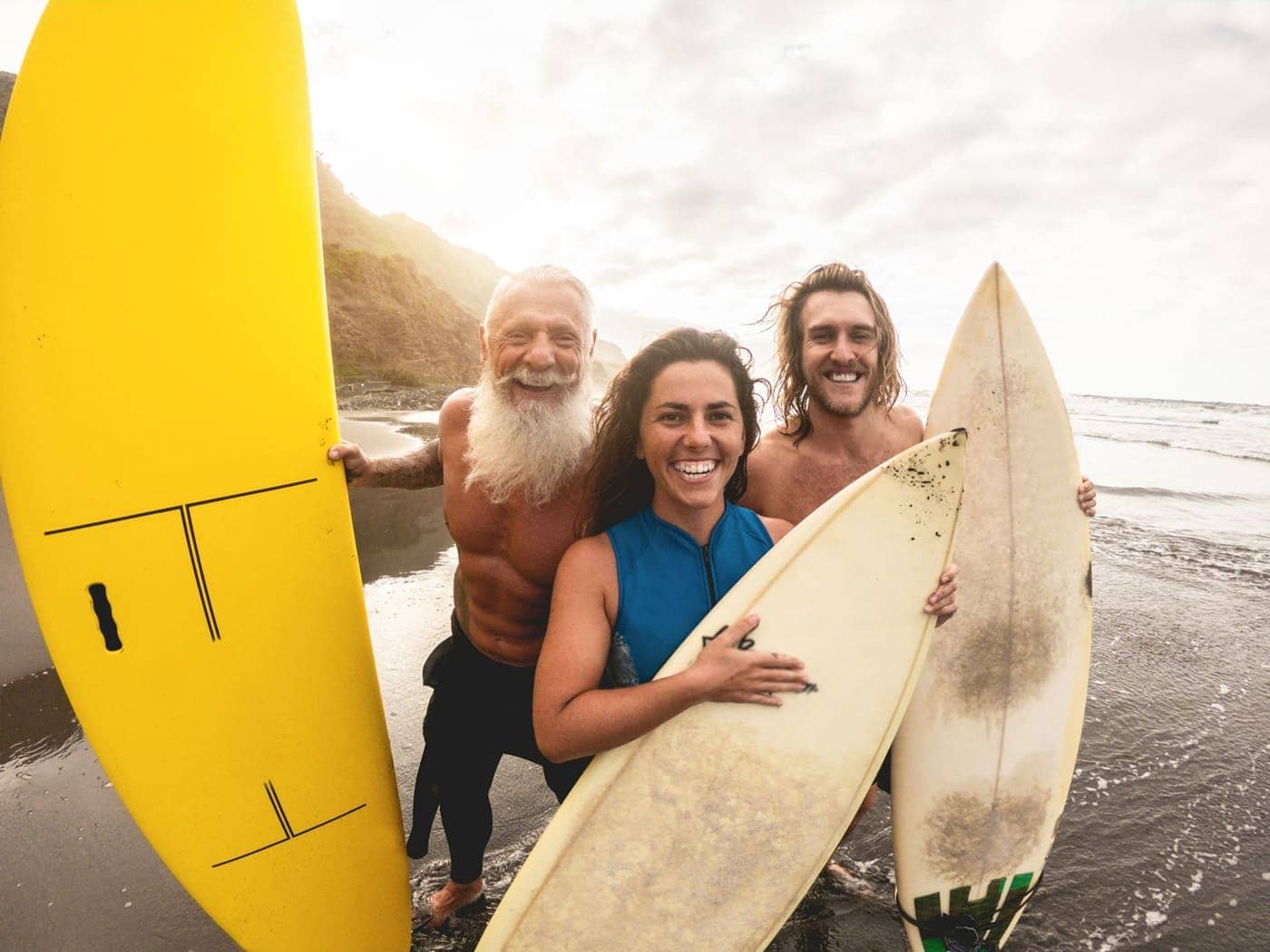
The sound of my 78-year-old grandmother’s laughter mixing with my teenage nephew’s excited shouts as they both spotted their first sea turtle at Hanauma Bay—that’s when I knew we’d cracked the code on multigenerational travel Hawaii style. After organizing seven family trips to the islands with groups spanning four generations, I’ve learned that Hawaii isn’t just a destination; it’s a magical bridge that connects ages, interests, and energy levels like nowhere else on earth.
Why Hawaii is the Ultimate Multigenerational Travel Paradise
Picture this: your 15-year-old daughter is finally putting down her phone to help great-grandpa identify tropical fish through the glass-bottom boat floor, while your parents are actually enjoying the same ukulele lesson that has your toddler clapping with glee. This isn’t fantasy—it’s Hawaii multigenerational travel at its finest.
I’ve witnessed families discover that the secret sauce isn’t finding activities that everyone tolerates, but experiences that spark genuine connection across age gaps. Hawaii delivers this in spades because the islands naturally cater to every generation’s sweet spot: adventure for the young, culture for the curious, relaxation for the weary, and natural beauty that stops everyone in their tracks.
Quick Win Alert: The three must-do experiences that have never failed to unite my mixed-age groups: sunrise at Haleakala (or sunset if 4 AM is too brutal), snorkeling at Molokini Crater, and a traditional luau where everyone—from great-grandma to the teenagers—ends up learning hula.
The Art of Multigenerational Hawaii Travel Planning
Understanding Your Traveling Tribe
After years of family travel mishaps (like the time I booked a “easy” Diamond Head hike for my mobility-limited uncle), I’ve developed what I call the Generation Assessment Matrix. Here’s what I’ve learned each age group actually wants:
Gen Z Travelers (Ages 12-27): They’re hunting for that perfect Instagram story, but surprise—they also crave authentic cultural experiences. My 19-year-old cousin initially rolled her eyes at the Polynesian Cultural Center but ended up staying an extra hour to master traditional Tahitian drumming. Cost reality check: Budget $150-200 per person for authentic cultural experiences.
Millennial Parents (Ages 28-43): We’re the sandwich generation, juggling aging parents and energetic kids while secretly yearning for five minutes of peace. Hawaii’s genius lies in offering structured relaxation—think guided meditation on the beach while kids build sandcastles nearby.
Gen X (Ages 44-59): This group has perfected the art of meaningful travel. They want comfort (goodbye, hostel bunks!) but not luxury that feels wasteful. They’re drawn to experiences with educational value—like coffee farm tours where they actually understand the bean-to-cup process.
Baby Boomers (Ages 60-78): Don’t underestimate this crew! My 72-year-old aunt surprised everyone by being first in line for the helicopter tour ($250 per person, worth every penny for the Napali Coast views). They want adventure, but with bathrooms, comfortable seating, and professional guides.
Silent Generation (Ages 79+): Comfort is king, but so is dignity. My grandmother’s face lit up when we found her a beach chair with back support at Poipu Beach, and she spent three hours sharing stories with other travelers while watching the waves.
Island-by-Island Multigenerational Magic
Oahu: The Perfect Starter Island for Hawaii Multigenerational Travel
Oahu earned its reputation as the ideal first stop for multigenerational travel Hawaii adventures, and after five trips there with extended family, I understand why. The infrastructure supports everyone from wheelchair users to adventure seekers, often within the same afternoon.
Day 1: Waikiki Welcome Strategy Landing in Honolulu with a group ranging from 8 to 88 taught me the importance of the “soft start.” Instead of rushing into activities, we spent our first afternoon at the Royal Hawaiian Beach, where the pink hotel provides both iconic photos for the young ones and comfortable poolside lounging for seniors. Pro tip: Rent beach equipment from Snorkel Bob’s ($40/day for the full family package) rather than buying—you’ll avoid luggage hassles and support local business.
Day 2: Pearl Harbor—History That Moves Everyone I’ve never seen four generations more united than during our Pearl Harbor visit. The audio tours ($7.50 each) work perfectly for different learning styles, while the USS Missouri provides wheelchair accessibility without compromising the emotional impact. My teenage nephews were surprisingly engaged when they realized they were standing where World War II officially ended.
Insider secret: Book the “Passport to Pearl Harbor” package ($89 adults, $44 children) which includes multiple attractions and eliminates the stress of separate reservations.
Day 3: North Shore—Adventure Meets Relaxation The North Shore exemplifies why Hawaii works for multigenerational travel. While the teenagers tried surfing lessons at Waikiki ($75 for group lessons), grandparents enjoyed watching from Sunset Beach with shave ice from Matsumoto’s ($3-5, unchanged since 1951!). The middle generations explored Haleiwa town, browsing art galleries and sampling garlic shrimp from Giovanni’s food truck.

Maui: Natural Wonder for Every Age
Haleakala National Park represents everything magical about multigenerational travel Hawaii style. The traditional sunrise pilgrimage (park entry $30 per vehicle, valid for three days) can be challenging with early wake-up calls and high altitude, but we discovered the sunset viewing offers equal beauty with better accessibility for mixed-age groups.
Real talk: That 3 AM wake-up for sunrise viewing? Brutal with seniors and teenagers. We pivoted to sunset dinner picnics at the crater, and it became our most treasured family tradition.
The Road to Hana requires strategy for multigenerational groups. We learned to rent a comfortable van ($150/day) rather than cramming into multiple cars, making frequent stops at accessible waterfalls like Twin Falls, where everyone could participate at their comfort level.

Big Island: Educational Adventure Across Generations
Hawaii Volcanoes National Park delivers the rare experience of witnessing Earth’s creative forces in action—something that captivates 8-year-olds and 80-year-olds equally. The Kilauea Visitor Center provides excellent accessibility, while the Chain of Craters Road offers spectacular views from the comfort of your vehicle.
Budget insight: The America the Beautiful Senior Pass ($80 lifetime) pays for itself immediately with a family group—providing free park entry for everyone in your vehicle when traveling with anyone 62+.
Mauna Kea stargazing deserves special mention for Hawaii multigenerational travel. The Mauna Kea Visitor Information Station at 9,200 feet offers incredible night sky viewing without the challenging summit drive. Free telescope viewing occurs nightly, creating shared wonder across all ages.

Activity Categories: Something Spectacular for Everyone
Water Adventures Scaled for Every Comfort Level
Snorkeling Evolution: Start at Hanauma Bay ($25 entry, $7.50 parking) where calm, shallow waters and abundant marine life create perfect conditions for first-time snorkelers and nervous grandparents. Graduate confident swimmers to Molokini Crater boat trips ($100-150 per person), while others enjoy the boat ride and surface views.
Game-changing discovery: Prescription snorkel masks! Available at most beach rental shops for $15-20/day, they transformed my near-sighted mother’s underwater experience.
The Surf Spectrum: Professional surf lessons at Waikiki Beach ($75 group rate) provide safe introduction for teens and adventurous adults, while stand-up paddleboarding in calm Waikiki waters ($40 equipment rental) offers lower-impact alternative for middle-aged participants. Non-participants become official photographers and cheerleaders from the beach.

Cultural Immersion That Bridges Generations
Polynesian Cultural Center ($80-200 depending on package) consistently ranks as our most successful multigenerational travel Hawaii activity. The interactive village experiences engage children, the cultural demonstrations fascinate adults, and the evening luau provides comfortable seating for seniors while delivering authentic entertainment.
Personal revelation: My skeptical teenage cousin, convinced luaus were “touristy,” ended up spending two hours learning traditional Maori stick games from cultural ambassadors.
Local Workshop Magic: Lei making classes at local community centers ($20-30 per person) create beautiful souvenirs while fostering intergenerational conversation. Hawaiian quilting workshops, ukulele lessons, and traditional cooking classes provide similar cross-generational bonding opportunities.

Practical Planning: Making Dreams Reality
Transportation Solutions for Mixed-Mobility Groups
Vehicle Selection Strategy: Rent 15-passenger vans ($200-250/day) for groups of 8+ rather than multiple cars. The higher seating provides better visibility for seniors while accommodating car seats, wheelchairs, and beach equipment. Enterprise and Budget offer good selection and pickup service.
Inter-island Travel Wisdom: Hawaiian Airlines and Southwest both offer senior discounts and family seating options. Book morning flights when possible—afternoon trade winds can create turbulence challenging for nervous flyers.
Money-saving tip: Southwest’s companion pass works for multigenerational travel—if one family member qualifies, they can bring another family member free on all flights.
Accommodation Strategy That Works
Vacation Rental vs. Hotel Clusters: For Hawaii multigenerational travel, I’ve found success with vacation rental complexes offering multiple units. Aston and Castle Resorts provide condo-style accommodations ($200-400/night depending on size and season) where families maintain independence while staying connected.
Accessibility consideration: Always verify elevator access and ground-floor availability when booking for seniors. Many Hawaiian properties were built before modern accessibility standards.
Dining Adventures for Diverse Palates
Local Cuisine Introduction Strategy: Start with gateway dishes like poke bowls at Foodland supermarkets ($8-12)—familiar ingredients with Hawaiian flair. Progress to plate lunch combinations at local favorites like Rainbow Drive-In ($12-15) where everyone can find something appealing.
Restaurant Selection Criteria: Look for venues with varied menus, comfortable seating, and reasonable noise levels. Duke’s Waikiki exemplifies multigenerational-friendly dining—extensive menu, oceanfront views, live music at reasonable volume, and high chairs available.
Dietary accommodation tip: Hawaii’s diverse population means excellent options for most dietary restrictions. Whole Foods locations carry familiar brands alongside local specialties, perfect for vacation rental meal prep.
Budget Optimization: Maximum Value, Minimal Stress
Cost-Saving Strategies for Large Groups
Group Discounts Reality Check: Many attractions offer group rates for 15+ people, but 10-person groups can often negotiate similar discounts by calling directly. Maui Ocean Center ($40 adults, $30 children) provided 15% group discount for our 12-person family gathering.
Activity Bundling Success: Go Hawaii Cards and Hawaii Explorer Passes ($200-400 per person depending on activities selected) provide significant savings for active families while offering flexibility for varying energy levels.
Seasonal pricing insight: April-May and September-October offer the sweet spot of good weather, smaller crowds, and 20-30% lower accommodation costs compared to peak winter months.
Splurge vs. Save Framework
High-Impact Experiences Worth the Premium:
- Helicopter tours ($250-400 per person): Absolutely worth it for spectacular Napali Coast and volcano views
- Professional photography sessions ($400-800): Capture multi-generational memories you can’t recreate
- Authentic luau experiences ($150-200 per person): Choose smaller, culturally-focused events over large resort productions
Budget-Friendly Alternatives with Equal Impact:
- Beach picnics instead of expensive resort dining: $40 feeds 6 people vs. $200+ restaurant meals
- Self-guided scenic drives rather than tour buses: Gas money vs. $100+ per person tour costs
- Public beaches over resort day passes: Free natural beauty vs. $50-100 daily access fees
Creating Lasting Multigenerational Memories
Documentation Strategy Across Age Groups
Photography Planning: Hire a local photographer ($150-200/hour) for one professional session, then designate different family members as “official photographers” for each day. Teenagers excel at candid shots, parents capture group moments, and grandparents often have the best eye for meaningful details.
Digital vs. physical keepsakes: Create shared Google Photos albums for immediate sharing, but also make physical photo books through services like Shutterfly ($30-50) for grandparents who prefer tangible memories.
Building New Family Traditions
Annual Trip Sustainability: Start planning your next Hawaii multigenerational travel adventure before leaving the current one. Having “next year” conversations on the beach creates anticipation and helps secure group commitment while memories are fresh.
Cultural Adoption: Bring Hawaii home through monthly family luau nights, Hawaiian music playlists for family gatherings, and tropical gardening projects that connect to your island experiences.
2026-Specific Planning Considerations
Current Travel Landscape
Health and Safety Evolution: Post-pandemic travel has normalized health precautions that actually benefit multigenerational travel Hawaii planning. Many attractions now offer timed entry systems that reduce crowds and waiting—perfect for seniors and small children.
Technology Integration: Hawaiian Airlines app provides real-time flight updates crucial for coordinating large groups, while Google Translate now includes basic Hawaiian language support for cultural site visits.
Hawaii Tourism Trends
Sustainability Participation: The Malama Hawaii program encourages visitors to give back through voluntourism. Beach cleanups and native plant restoration provide meaningful activities that resonate across generations while supporting local conservation.
New for 2026: Several hotels now offer “Malama Packages” combining accommodation with volunteer opportunities—typically adding $50-75 per room while providing tax-deductible contribution receipts.
Troubleshooting Common Challenges
Managing Different Energy Levels
The Flexible Schedule Solution: Plan anchor activities that everyone attends (meals, transportation) while building in optional adventures for various interest and energy levels. Create “home base” days at resorts or beaches where active family members can pursue adventures while others relax nearby.
Conflict Resolution Strategy: Establish a “veto power” system where any family member can opt out of activities without guilt or pressure. This removes decision-making stress and ensures participation remains enjoyable.
Weather and Logistics Backup Planning
Rainy Day Alternatives by Island:
- Oahu: Bishop Museum ($25 adults, $17 children) offers interactive exhibits and planetarium shows
- Maui: Maui Arts and Cultural Center hosts performances and has galleries perfect for cultural exploration
- Big Island: Lyman Museum provides fascinating geological and cultural education
Emergency preparedness: Designate one family member as “logistics coordinator” with copies of all confirmations, medical information, and emergency contacts. Share this information digitally with the entire group.
Your Hawaii Legacy Trip: Making Magic Happen
Essential Success Elements
After seven multigenerational travel Hawaii adventures, three principles consistently create success:
Flexibility Over Rigid Planning: Build your itinerary like a jazz composition—establish the main theme (key activities everyone wants to experience) but allow for improvisation. Some of our best memories came from unplanned discoveries, like finding a local farmer’s market or stumbling upon a cultural demonstration.
Communication Throughout: Create a family group chat for real-time coordination and excitement building. Share photos, vote on restaurant choices, and keep everyone informed about schedule changes. This maintains connection even when groups split for different activities.
Realistic Expectations with Magnificent Backup Plans: Accept that not every moment will be perfect Instagram material. Plan for naps, meltdowns, and weather changes. Have comfortable “retreat” options available—sometimes the best family bonding happens in vacation rental living rooms playing cards while tropical rain patters on the roof.
Your 30-Day Action Plan
Immediate Actions (Today):
- Send family preferences survey: What does each person most want to experience?
- Establish preliminary budget and discuss contribution expectations
- Research accommodation options based on group size and needs
30 Days Out:
- Finalize flights and accommodation bookings
- Reserve high-demand activities (Pearl Harbor, helicopter tours, popular restaurants)
- Organize travel documents and share emergency contact information
1 Week Before Departure:
- Confirm all reservations and note any changes
- Pack strategically with shared items distributed across luggage
- Download relevant apps and create offline map access
Making This the First of Many
Documentation for Future Planning: Keep notes about what worked brilliantly and what needs adjustment. Which restaurants accommodated your large group best? Which activities generated the most cross-generational engagement? This information becomes invaluable for planning your next Hawaii multigenerational travel adventure.
Relationship Building Impact: The magic of multigenerational travel extends far beyond vacation boundaries. Watching my typically reserved uncle teach my son to skip stones, seeing my grandmother and teenage granddaughter bond over sunrise photography, witnessing my parents and adult children develop new inside jokes—these connections enriched our family relationships long after we returned home.
Your Hawaiian Adventure Awaits
The beauty of multigenerational travel Hawaii lies not in finding a destination that satisfies everyone, but in discovering how Hawaii’s natural magic transforms ordinary family dynamics into extraordinary shared adventures. Whether you’re planning your first family trip or your tenth, remember that the goal isn’t perfect execution—it’s creating space for connection, wonder, and the kind of stories that get better with each retelling.
Start planning now, because 2026 promises to be an extraordinary year for Hawaii multigenerational travel. The islands are calling your family home to experiences that will bridge generations and create bonds as enduring as the volcanic foundations beneath your feet.
Aloha, and here’s to making memories that span generations!
Bonus Planning Resources
Quick Reference Budget Calculator
- Accommodation: $200-400/night per unit
- Rental cars/vans: $150-250/day
- Activities: $50-200/person per major attraction
- Dining: $15-40/person per meal depending on venue choice
- Inter-island flights: $80-200/person each way
Emergency Contacts by Island
- Oahu: Queen’s Medical Center – (808) 691-1000
- Maui: Maui Memorial Medical Center – (808) 244-9056
- Big Island: Hilo Medical Center – (808) 932-3000
- Kauai: Wilcox Memorial Hospital – (808) 245-1100
Packing Essentials for Mixed-Age Groups
- Reef-safe sunscreen (required by Hawaiian law)
- Portable phone chargers for multiple devices
- Basic first aid supplies including motion sickness remedies
- Comfortable walking shoes with good grip for wet surfaces
- Light rain jackets for tropical showers
- Snorkeling gear if you have prescription masks